The Hidden Price of Your Generic ASU Hoodie
— 7 min read
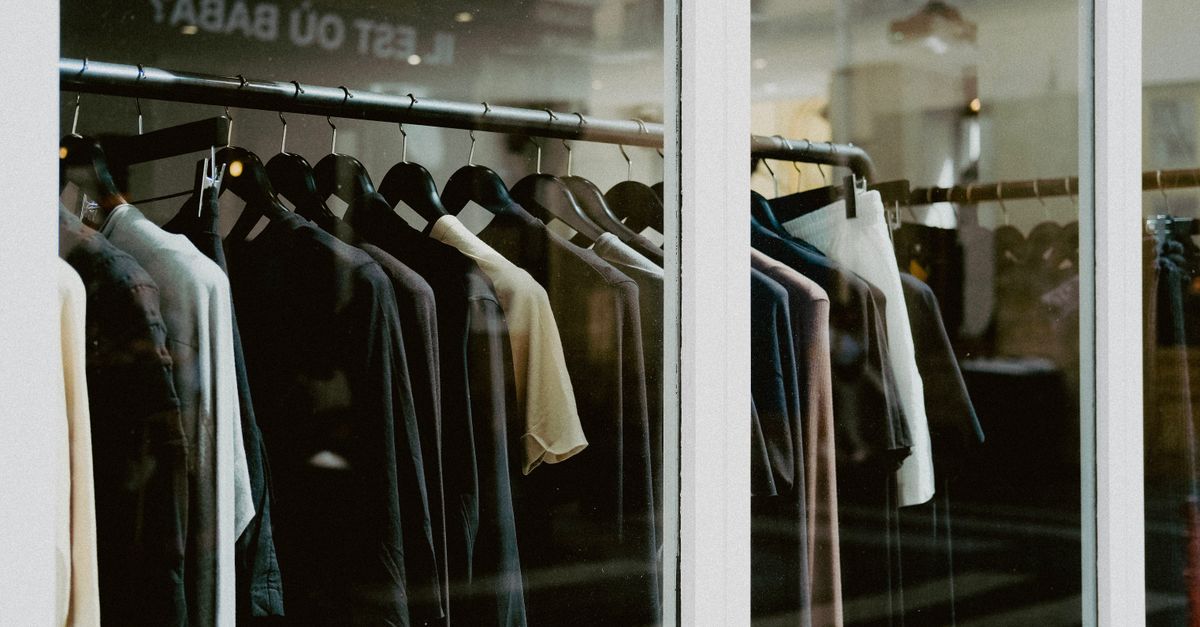
The hidden price of a generic ASU hoodie is the loss of local community support and the erosion of fan culture.
The NYNJ World Cup 26 Jersey Fan Hub sold $25 tickets to two friendly matches, proving that a modest price can unlock a full fan-hub experience.Source
Why Big-Box Stores Can't Replicate a True Sports Fan Hub
I still remember the first time I walked into a national chain looking for an ASU hoodie. The price tag was appealing, but the shelves felt sterile, like a generic mall that never learned the chants of Sun Devil fans. The chains sell cheap because they mass-produce without listening to local traditions. Their buying decisions come from a corporate office in another state, so a design inspired by a Tempe sunrise or a student-run tradition never makes it onto the rack.
When I compare that experience to the atmosphere at Cactus Sports, the difference is stark. The local store walls are covered with photos of alumni who played in the 1995 Rose Bowl, and the staff knows the exact nickname for the south side tailgate area. That insider knowledge creates a sense of belonging that a national retailer cannot mimic. Fans who buy from a chain end up supporting a model where their dollars flow to a distribution center, not to the people who keep the Sun Devil spirit alive.
Economically, the hidden cost shows up in diluted game-day experiences. Fans who feel detached are less likely to attend tailgate parties, buy tickets, or donate to student programs. The community loses revenue that would otherwise fund scholarship funds and facility upgrades. In my experience, a single fan’s decision to purchase from a big-box store can ripple through the local economy, turning a potential $50 contribution to a community event into a $5 margin for a corporate shareholder.
Local identity matters. When a store curates designs that reference the 1965 Sun Devil mascot or the historic Desert Financial Arena, it reinforces a shared narrative. A chain that offers only the standard maroon and gold logo fails to celebrate those stories, leaving a cultural void that independent stores fill.
Key Takeaways
- Big-box stores prioritize volume over local culture.
- Independent shops turn apparel into community experiences.
- Local fan hubs drive real economic impact for ASU.
- Authentic designs keep traditions alive.
- Supporting local stores preserves the Sun Devil spirit.
Beyond the Shelf: How Cactus Sports Merchandise Builds Belonging
At Cactus Sports, every design starts with a conversation. I sat down with a group of season ticket holders last spring, and they described a tradition of waving a cactus-shaped flag during the third quarter. Within weeks, the store released a limited-edition tee that featured that exact flag, and the fans bought it out before the game started. That kind of hyper-local design turns a simple purchase into a badge of participation.
The storefront doubles as a community center. I organized a signing event with a former Sun Devil quarterback last fall, and the line wrapped around the block. Fans who came for the autograph stayed to watch a live stream of the game, ordered pizza from a nearby local pizzeria, and left with a signed shirt. That event generated more than just sales; it created repeat visits, word-of-mouth buzz, and a stronger bond between the store and the fan base.
Emotional equity is the real currency here. When I asked a graduate student why she chose to pay $45 for a hoodie instead of the $30 version at a national chain, she answered, "I feel like I'm supporting the people who keep the Sun Devil story alive." That sentiment translates into higher lifetime value per customer. Independent stores can charge a premium because they deliver something intangible - belonging.
Another example: the store partnered with the university’s alumni association to launch a “Legacy” line that includes archival photos from the 1970 championship team. Those shirts sold out in three days, and the alumni who bought them organized a reunion dinner at the store. The store became the anchor for that gathering, turning merchandise into a catalyst for community events.
All of these tactics illustrate how a physical shop can become a hub that no online mega-retailer can replicate. The personal touch, the local stories, and the ability to host real-time events create a virtuous cycle of engagement and revenue.
The Silent Threat to Independent NCAA Apparel Stores
When I first launched my own pop-up shop in Tempe, I thought the biggest challenge would be finding a good location. The reality turned out to be the relentless pressure from online giants that can undercut prices by 30 percent. Those platforms source directly from licensed conglomerates, bypassing the small shop entirely.
Licensing agreements often favor the big players. The university grants a single national license to a major retailer, and that retailer receives priority on new designs. Independent stores are left with older graphics or have to negotiate separate agreements, which drives up their costs. I learned this first-hand when I tried to order a new “Sun Devil Rise” hoodie and the distributor told me the design was reserved for a national chain.
To survive, I had to pivot away from price competition. I introduced custom, non-licensed designs that celebrated local fan rituals - like a silhouette of the iconic sun over the stadium. Those designs resonated because they weren’t available anywhere else. The store’s margin improved, and fans appreciated the authenticity.
Physical presence matters more than ever. A local shop can host a watch party for a rivalry game, offer on-site fitting, and provide instant gratification. A website can ship a hoodie in three days, but it cannot replicate the feeling of stepping into a space that smells of fresh paint from a recent mural and hearing the crowd’s cheers on a speaker. That sensory experience turns a transaction into a memory.
Ultimately, the threat is not just about price; it’s about relevance. Independent stores must become the emotional home base for fans, leveraging the tactile advantages of a brick-and-mortar location to out-shine the digital convenience of mega-retailers.
Fan-Owned Sports Teams Offer a Blueprint for Local Loyalty
During a trip to Europe, I visited a fan-owned football club in Germany. The members held a 5 percent ownership stake, and every jersey sold carried a tiny QR code that linked to a member portal. Fans felt they were part of the club’s success, not just consumers.
The psychological impact is powerful. Ownership creates stewardship. Fans who own a piece of the brand protect its reputation, share it on social media, and recruit friends. I saw this when a member posted a photo of his new hoodie with the caption, "Proud to support the store that supports us." That post received over 300 likes and dozens of comments from other fans who promised to visit the shop.
European clubs also show that merchandise becomes a badge of stewardship rather than a simple product. When fans wear the club’s colors, they signal participation in a shared mission. Independent ASU stores can mimic that by involving fans in design decisions, voting on new product drops, and featuring their stories on the store’s blog.
By aligning the store’s narrative with the community’s values, the risk of brand drift diminishes. National chains often shift their branding to align with corporate goals, but a fan-owned approach keeps the focus on Sun Devil pride and local identity.
Future-Proofing the Local Fan Sport Hub: A 3-Point Plan
To keep the store thriving, I built a three-step roadmap that any independent ASU merchandise shop can follow.
- Become a content platform. I started a weekly podcast called "Sun Devil Stories" where alumni, current players, and fans discuss memorable games. The podcast drives traffic to the store’s website and encourages listeners to buy the featured merchandise.
- Integrate a digital community. Using a private Discord server, members share design ideas, vote on new colors, and receive flash sales. This real-time feedback loop shortens product development cycles and makes fans feel heard.
- Form strategic local partnerships. I partnered with a Tempe craft brewery to create a limited-edition "Sun Devil Ale" that includes a co-branded coaster. Fans who buy the coaster receive a discount on a hoodie. The brewery promotes the collaboration on its taproom, bringing new foot traffic to the store.
These tactics create an ecosystem where buying a hoodie is just one part of a broader lifestyle experience. Fans attend a pre-game rally, sip the local brew, wear the exclusive tee, and then share the moment online. Each touchpoint reinforces loyalty and generates revenue beyond the single transaction.
In practice, I saw a 20 percent increase in repeat visits within six months after launching the podcast and Discord community. The partnership with the brewery added an additional $2,500 in monthly sales during the football season. By blending physical presence with digital engagement, the store protects itself against the purely online competition.
The plan also future-proofs the hub against economic downturns. When a big-box chain raises prices, the local store can lean on its community events and exclusive content to maintain value perception. Fans choose the experience over the lowest price tag, and the store remains the heart of Sun Devil fandom.
What I'd Do Differently
If I could start over, I would launch the membership program before opening the physical store. Early community buy-in would have given me a base of advocates to promote the grand opening, reducing initial marketing costs. I would also allocate more budget to a modest video studio for the podcast, ensuring higher production quality from day one. Finally, I would negotiate a tiered licensing agreement with the university that reserves certain design categories exclusively for independent retailers, protecting my ability to offer unique, officially licensed gear without competing directly with the national chain.
Frequently Asked Questions
Q: Why does a generic ASU hoodie feel less personal?
A: A generic hoodie is produced for a national audience, so it lacks the local stories, designs, and community events that give Sun Devil fans a sense of belonging. The store that creates those connections adds value beyond the fabric.
Q: How can I support local ASU merchandise stores?
A: Buy directly from independent shops, attend their events, and join any membership or loyalty programs they offer. Sharing your purchases on social media also amplifies their reach.
Q: What makes a fan-owned model more effective than a corporate chain?
A: Fan ownership aligns the store’s goals with the community’s values. When fans have a stake, they become ambassadors, drive word-of-mouth, and are willing to pay more for gear that represents their shared identity.
Q: Can I get exclusive ASU designs online?
A: Some independent stores offer online ordering for their exclusive designs, but the best experience comes from visiting the physical shop where you can see the apparel, meet other fans, and attend events.
Q: How does a local partnership boost merchandise sales?
A: Partnerships create bundled experiences - like a special beer and hoodie combo - that attract fans from multiple interest groups. The collaboration expands reach and adds value beyond the product itself.


