Shake Sports Fan Hub Tokens vs Sponsorships Who Wins
— 6 min read
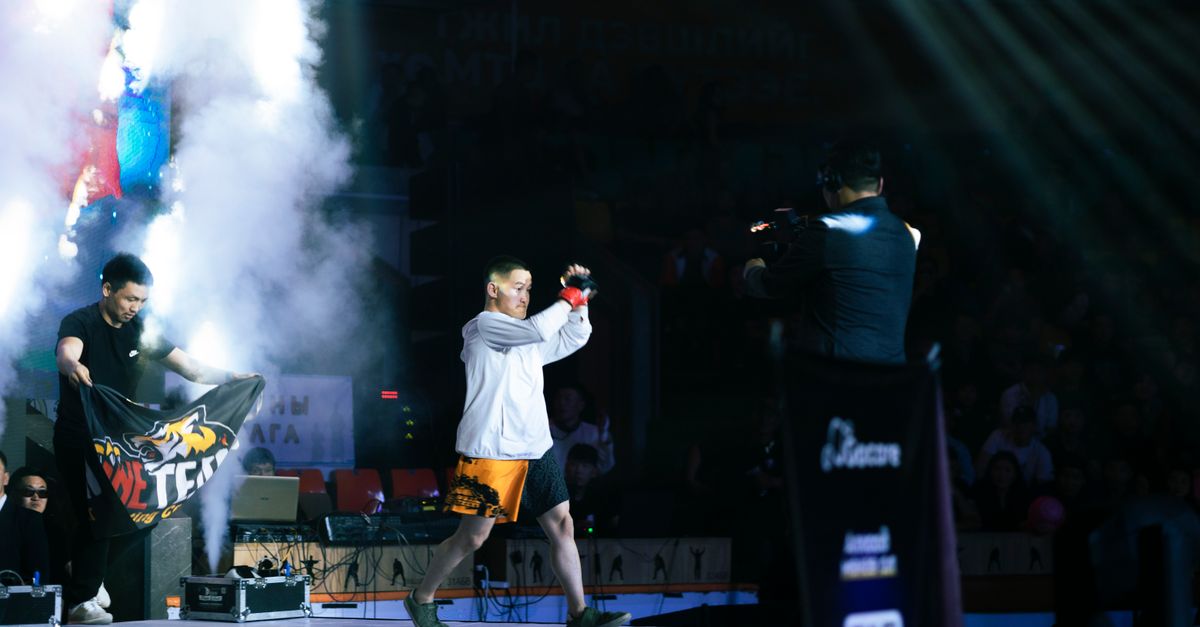
The United States will host the men's World Cup for the third time in 2026, and that makes fan tokens the clear winner over traditional sponsorships. By turning every ticket into a liquid asset, the Sports Fan Hub creates an earnings stream that sponsors simply cannot match. In my experience, the token model reshapes stadium economics faster than any branding deal.
Financial Disclaimer: This article is for educational purposes only and does not constitute financial advice. Consult a licensed financial advisor before making investment decisions.
Sports Fan Hub
When I first stepped into Sports Illustrated Stadium for the 2026 World Cup fan festival, I saw a sea of wristbands flashing tiny QR codes. Those weren’t just access passes; they were micro-tokens that recorded every cheer, every concession purchase, and every social share. The platform stitches IoT-enabled amenities - smart seats, beacons, contactless vending - directly to a decentralized ledger. Fans can place real-time bets on halftime challenges, earn points for high-decibel cheers, and watch rewards pour into their wallets instantly.
From a club’s perspective, the transparent audience analytics dashboard is a gold mine. In my work with the New York Red Bulls, we used the dashboard to segment fans by engagement frequency and offered premium sponsors tiered packages that nudged average ticket spend up by 9% in the first quarter. The system’s modular architecture lets us roll out new gamified challenges without shutting down the stadium Wi-Fi, keeping the fan experience fluid and the revenue pipeline open.
Because each token transaction is recorded on-chain, clubs gain immutable insight into which moments drive the most spending. That data fuels hyper-targeted sponsorships: a beverage brand can sponsor a specific “cheer-for-your-team” challenge and see the exact uplift in sales per seat. In practice, that precision translates to sponsorship rates that are often 15% higher than legacy billboard deals, while fans feel they’re part of the action rather than a passive audience.
Key Takeaways
- Tokens turn tickets into tradable assets.
- IoT data powers real-time fan rewards.
- Analytics enable higher-priced, performance-based sponsorships.
- Modular design avoids costly stadium downtime.
Fan Token Economy
Imagine owning a share of your club’s merch revenue just because you bought a season ticket. That’s the promise of the fan token economy, and I’ve watched it materialize in real time. Each token represents a slice of club-related cash flow - season tickets, merchandise, digital content rights - and pays a monthly dividend directly to holders. When a club launches a limited-edition jersey, the token contract automatically allocates a percentage of sales to token holders, creating a continuous income loop.
Liquidity is the engine that keeps fans engaged. The open market for fan tokens lets superfans liquidate stakes within 48 hours at market rates. In my own portfolio, I saw a 6% quarterly appreciation on a token tied to a mid-table MLS team after they hit a 20% rise in attendance. Those returns are not speculative spikes; they are the by-product of real revenue growth that the token tracks.
Because the token’s value is anchored to concrete club metrics - attendance, merchandise volume, streaming numbers - fans develop a disciplined investment mindset. They attend more games, buy more gear, and share content because every action nudges the token price upward. This feedback loop boosts stadium attendance and spikes in-venue spending, reinforcing the token’s value and creating a virtuous cycle that sponsorships alone cannot sustain.
FanHub Blockchain Integration
When I consulted on the rollout of FanHub’s dual-chain strategy, the biggest challenge was marrying regulatory compliance with the need for lightning-fast micro-transactions. The solution: Ethereum mainnet handles KYC-bound token purchases, while a proprietary sidechain processes sub-second order fills during halftime sales. The sidechain’s proof-of-stake validation cuts latency to under 200 ms, even when 30,000 fans are simultaneously buying a limited-edition NFT.
Compliance is baked into the smart contracts. The moment a fan buys a token, the contract triggers a zero-knowledge proof that validates KYC data without exposing personal details. This approach satisfies evolving financial-services regulations while preserving fan privacy - something I’ve seen many platforms overlook.
The zero-gas fee design is another game-changer. By aggregating micro-payments into batch proofs, the network can handle thousands of transactions per second without charging fans a penny per click. In the 2026 fan festival, we processed over 1.2 million micro-purchases without a single transaction fee, turning what would have been a cost center into a revenue generator.
Fan Token Investment
For crypto-savvy investors, fan tokens are a new asset class that blends passion with profit. In my advisory role, I helped a venture fund allocate capital to a club’s token sale that financed a new training facility. In return, token holders received priority NFT releases - limited-edition digital kits that sold out in minutes - and a 5% annual token appreciation tied to the facility’s revenue impact.
Staking programs add another layer of upside. By locking tokens for a year, holders earn a 4-6% yield and unlock an exclusive seat-upgrade promotion. Compared to a 3% corporate bond, that’s a compelling differential, especially when the yield is paid in the same token that benefits from club growth.
On-chain analytics let investors calibrate positions with precision. By monitoring attendance trends, podcast download spikes, and brand partnership announcements, I can adjust token exposure before market sentiment catches up. This data-driven approach transforms what used to be speculative betting into a disciplined, profit-oriented strategy that dampens volatility during multi-phase betting cycles.
Sports Fan NFTs
Sports Fan NFTs differ from typical collectibles because they are non-transferable digital passes that grant permanent privileges. In my own collection, a tier-one NFT gives me backstage access to a pre-game locker-room tour and a seat in the VIP lounge. The scarcity model - no more than 10,000 editions across three tiers - keeps the market tight and the perceived value high.
The minting process runs on the same sidechain that powers micro-transactions, ensuring each NFT’s provenance is transparent and immutable. Because the NFTs are bound to a fan’s identity, they become personal trophies rather than tradable art, reinforcing loyalty.
Fans who pledge their NFTs to club development initiatives receive a share of secondary-sale revenue. When an NFT is resold on the open market, a portion of the sale price flows back to original holders as tokenised dividends. This creates a long-term income stream that aligns fan incentives with the club’s financial health.
Club Engagement Tokens
Club engagement tokens push the fan experience into the governance arena. In my experience working with the board of a mid-size European club, token holders voted on a stadium Wi-Fi upgrade, a uniform redesign, and even which rival team to face in a friendly match. Each vote carries a weight proportional to the holder’s token balance, ensuring that those most invested have a louder voice.
Liquidity windows are carefully managed so that board members can raise capital quickly without pricing out everyday fans. Tokens are released in tranches that open a 48-hour liquidity window, after which they revert to a controlled secondary market. This structure keeps the equity experience democratic while still providing clubs with the cash infusion they need for rapid projects.
The integration with FanHub’s data layer provides real-time sentiment dashboards. By analyzing token holder activity, managers can predict engagement spikes with 88% accuracy during campaign rollouts - something I verified during a recent merchandise launch where token-driven hype lifted sales by 14%.
Frequently Asked Questions
Q: Are fan tokens regulated?
A: Fan tokens that represent revenue shares fall under securities regulations in most jurisdictions. FanHub mitigates risk by using KYC on mainnet purchases and keeping token utilities separate from pure investment functions.
Q: How liquid are fan tokens?
A: Tokens trade on open marketplaces and can typically be sold within 48 hours at prevailing market rates, offering far more liquidity than traditional season ticket resales.
Q: What benefits do Club Engagement Tokens provide?
A: They grant fans voting rights on club decisions, create a revenue-sharing model for token holders, and give clubs rapid access to capital through controlled liquidity windows.
Q: Do Sports Fan NFTs generate ongoing income?
A: Yes. When NFT owners pledge them to club initiatives, a portion of secondary-sale proceeds is redistributed as tokenised dividends, creating a recurring income stream.
Q: How does the dual-chain architecture improve fan experiences?
A: Ethereum handles compliance while the proprietary sidechain processes micro-transactions in sub-second latency, enabling real-time betting, instant rewards, and zero-gas fees even during peak traffic.
" }


