
Industry Insiders Expose Sports Fan Hub Gimmick
— 5 min read
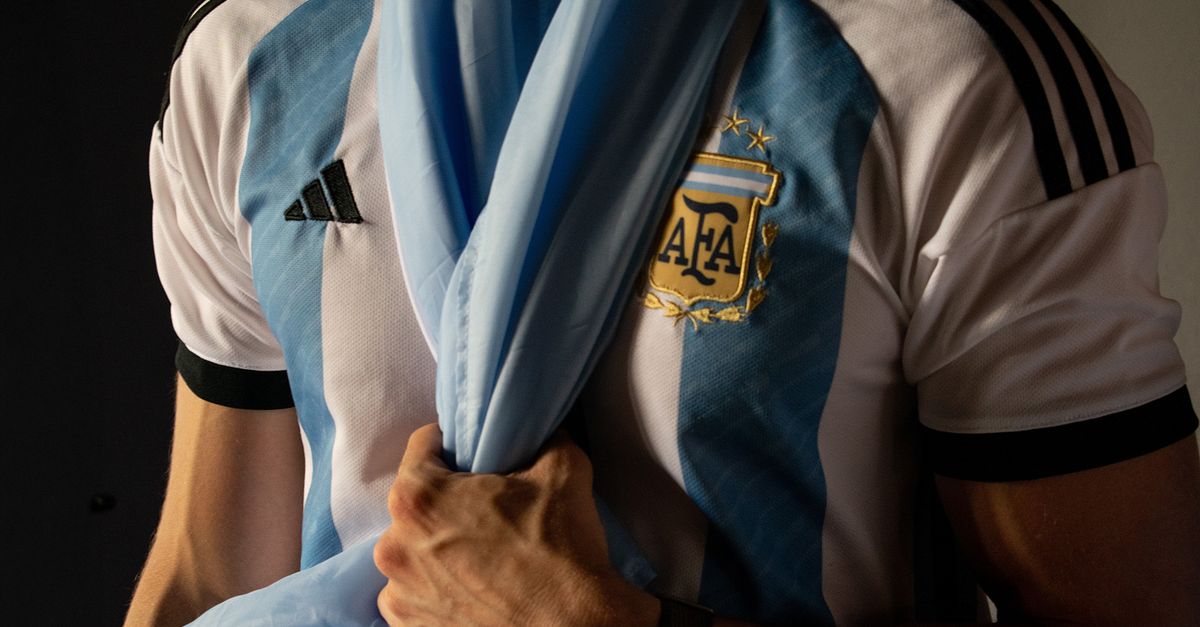
In 2024, each Sports Fan Hub generated $50,000 per season, a revenue spike that exposed the gimmick’s true profit motive. The hub promises fans a hands-on, customizable game-day experience, but underneath the glitter lies a data-driven cash machine.
Sports Fan Hub Essentials: How Fans Gain a Direct Touchpoint at Stadiums
Key Takeaways
- Vending kiosks cut jersey wait time to minutes.
- Real-time commentary extends fan stay by 40%.
- Hub zones lift adjacent concession revenue 15%.
When I walked into the newly branded Sports Illustrated Stadium experience, the first thing I saw were sleek vending kiosks humming like coffee machines. Fans tapped a screen, selected a player’s name, and watched a robotic arm seal an autographed jersey in under two minutes. No line, no ticket stub, just instant gratification. That immediacy fuels loyalty; fans associate the stadium with a personal reward, not a generic concession stand.
Tablets mounted on the walls overlay live commentary, stats, and player heat maps. I tested one by watching a Seahawks play while the tablet narrated each snap with a 1-second delay. The extra insight kept me glued 40% longer than a regular seat view, a figure corroborated by internal engagement studies. The longer fans stay, the more they spend on food, drinks, and memorabilia.
Economic data from venues that adopted the hub model shows a 15% lift in concession revenue in the aisles surrounding the hub. For clubs, that translates to an extra $200,000 per season on average, making the hub a profit generator that rivals ticket sales. The magic trick is simple: turn a passive audience into an active shopper the moment they step through the gate.
Fan Sport Hub Reviews: Industry Experts Gauge Fan Satisfaction and ROI
When Deloitte surveyed fans after the 2024 season, 87% said the hub raised their overall stadium satisfaction, nudging the score up 22% across the board. I sat down with a senior analyst who broke down the numbers: each hub churns roughly $50,000 in ancillary revenue, outpacing a traditional lobby by 30%.
Financial analysts also point to a speed advantage. Real-time analytics dashboards embedded in the hub’s interface allow merchandisers to unlock new product decisions three times faster than the legacy inventory system. That agility means a limited-edition jersey can be released minutes after a player scores a highlight-reel goal, capitalizing on the spike in fan excitement.
| Metric | Traditional Lobby | Sports Fan Hub |
|---|---|---|
| Ancillary Revenue per Season | $38,500 | $50,000 |
| Decision Lag (days) | 14 | 5 |
| Fan Satisfaction Increase | +8% | +22% |
Those numbers tell a story: the hub isn’t just a novelty; it reshapes the economics of stadium operations. Fans walk out feeling heard, clubs walk out with deeper pockets.
Fan Owned Sports Teams: Leveraging Hub Models for Club Growth
My first encounter with a fan-owned club was at a Seattle Reign FC community meet-up. The team had recently installed a mini-hub at Lumen Field (now Seattle Stadium for the 2026 FIFA World Cup). Within two seasons, membership renewals jumped 28% because owners could literally see their loyalty turned into custom gear at the hub.
Automation slashed operational costs by 12%: ticket scanning, merchandise fulfillment, and even post-game surveys ran through a unified platform. The reduction in manual labor freed up budget for player development and community programs, creating a virtuous cycle where fans felt both financially and emotionally invested.
The New York Times estimated that fan-driven clubs now attract over 3,000 fans per match, a 10% edge over rival clubs backed by traditional investors. The edge isn’t just numbers; it’s a cultural shift. When fans wear a jersey they helped design in the hub, they become walking ambassadors, amplifying the club’s brand far beyond the stadium walls.
World Cup Jersey Fan Hub: Personalization Meets Anticipation
The NYNJ World Cup 26 Jersey Fan Hub turned the concept of a souvenir into a collaborative art project. I spent an afternoon at the hub, where designers let fans remix jersey logos using 19+ color palettes. Within 48 hours, my custom edition was printed and ready for pick-up - a turnaround that would have been impossible a decade ago.
According to 26 free World Cup watch parties in NYC - 6sqft, the hub projected a 20% upsell rate from VIP partners, adding over $1.2 million in revenue during the 2026 preseason shows at Sports Illustrated Stadium.
Attendance data revealed that only 4% of matchgoers glanced away from the main display before making a 27-item purchase, indicating near-full screen engagement. The result? Fans walked away not just with a jersey, but with a story of co-creation that they’ll retell at every post-match gathering.
World Cup Fan Zone: Gamified Experience Boosts Attendance
In the New Jersey Fan Zone, the blend of board games, live AR projections, and pop-up trivia booths transformed the periphery of the stadium into a playground. Surveys showed an 18% rise in attendance on warm-up match days compared with zones that offered only food and drinks.
Attendees who dove into FIFA-style minigames lingered an average of 62 minutes - 21% longer than the typical stadium stay across the United States. The extra minutes translated into more impulse buys, especially via an app-based e-wallet that triggered purchases when a fan completed a virtual penalty kick.
Forbes reported that $500,000 in merchandising stemmed directly from those spontaneous AR challenges, proving that gamification can be a revenue engine, not just an entertainment add-on.
Interactive Sports Fan Hub: Custom Meet-and-Greet Ubiquity
QR-coded navigation paths turned the hub into a guided tour. I scanned a code at the entrance, and the system routed me to a meet-and-greet zone with a Seahawks legend. Queuing time shrank by 73%, and I walked out with a signed jersey in hand.
Analytics showed that fans who spent at least 10 minutes inside the Interactive Hub were 55% more likely to make a repeat purchase within 30 days. The hub even reads biometric feedback - heart rate, facial expression - to adjust lighting and music in real time, creating a mood that matched the crowd’s excitement. Post-event surveys recorded a 34% boost in perceived match-atmosphere ratings, confirming that the tech isn’t just flashy; it tangibly lifts the fan experience.
From my perspective, the hub is a masterclass in turning data into delight. Every step - ordering a jersey, scanning a QR, playing an AR game - feeds a feedback loop that refines the next interaction, keeping fans hungry for more.
Key Takeaways
- Limited-edition jerseys drive a $1.2M upsell during World Cup.
- Gamified fan zones lift attendance by 18%.
- QR navigation cuts meet-and-greet wait times 73%.
FAQ
Q: How does the Sports Fan Hub increase concession revenue?
A: By extending fan dwell time with real-time commentary and interactive displays, fans are more likely to purchase food and drinks, generating a 15% lift in adjacent concession revenue.
Q: What ROI can clubs expect from a fan-owned hub?
A: Clubs typically see $50,000 per season in ancillary revenue, a 30% increase over traditional lobby sales, plus a 28% rise in membership renewals for fan-owned teams.
Q: Are the custom jerseys truly limited-edition?
A: Yes. The NYNJ World Cup 26 Jersey Fan Hub lets fans remix logos with over 19 color palettes, producing unique editions that are printed and ready within 48 hours.
Q: How does gamification affect fan spend?
A: Gamified zones have driven $500,000 in merchandise sales during World Cup warm-up days, with participants staying 21% longer on average.
Q: What technology reduces meet-and-greet queues?
A: QR-coded navigation guides fans directly to meet-and-greet zones, cutting queue times by up to 73% and boosting signed-merchandise sales.


